The symptoms of age-related GH decline overlap almost completely with everyday aging: lighter sleep, more belly fat, less muscle, lower energy. That overlap is exactly why a baseline IGF-1 lab, not a symptom checklist, is what confirms it.
Growth hormone decline in adults shows up as a cluster of symptoms rather than a single sign. The most consistent are reduced lean mass, increased visceral and abdominal fat, poor slow-wave sleep, low daytime energy, and slower recovery from exercise. None of these is specific to the GH axis on its own, which is why the symptom picture has to be confirmed with a baseline IGF-1 lab rather than diagnosed by description alone.
- The core symptoms are reduced lean mass, increased visceral fat, poor deep sleep, and low energy
- Age-related GH decline is different from pathologic GH deficiency caused by pituitary disease
- Symptoms overlap with normal aging, low testosterone, and hypothyroidism, so labs are required
- IGF-1 is the primary screening marker; it is age-adjusted
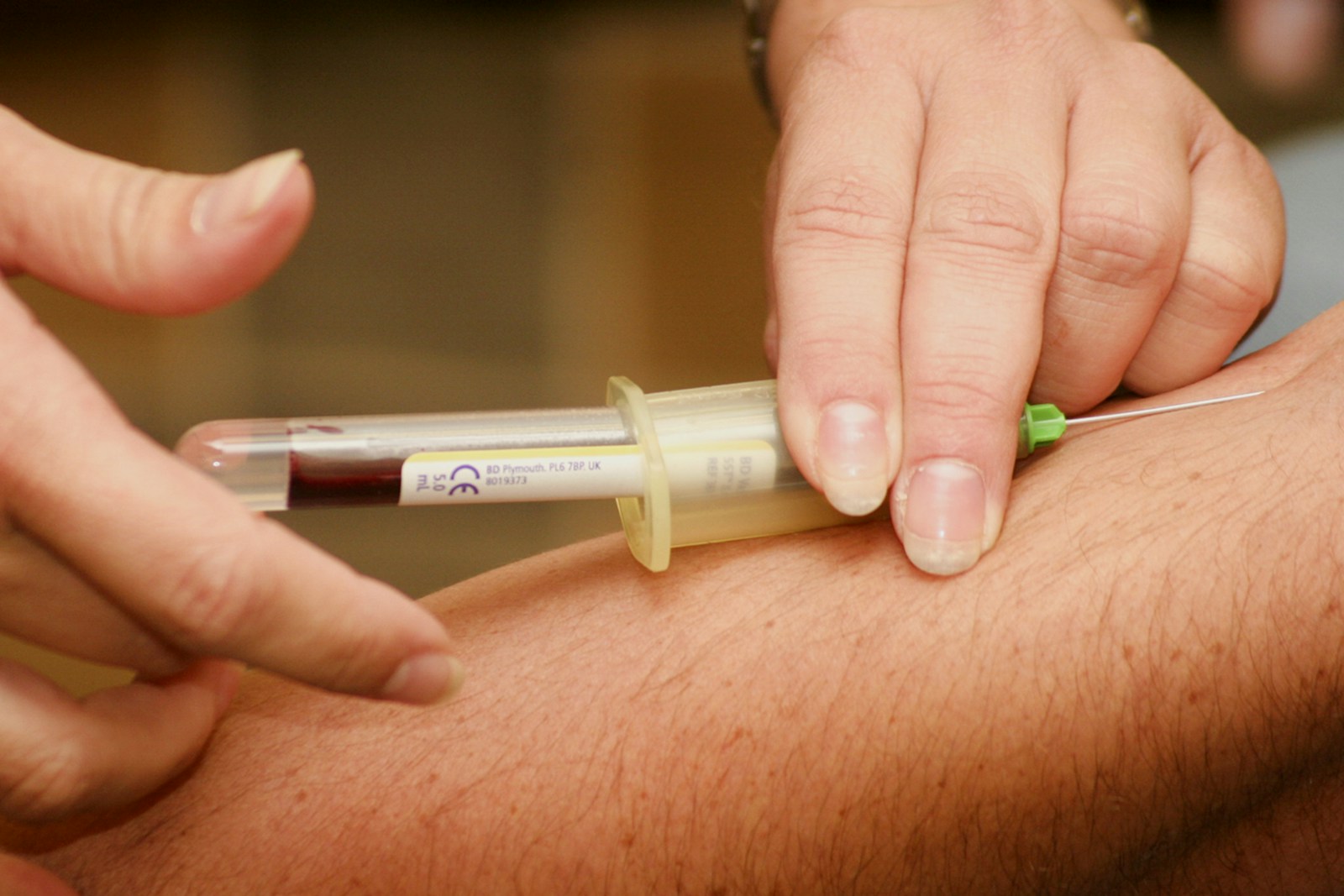
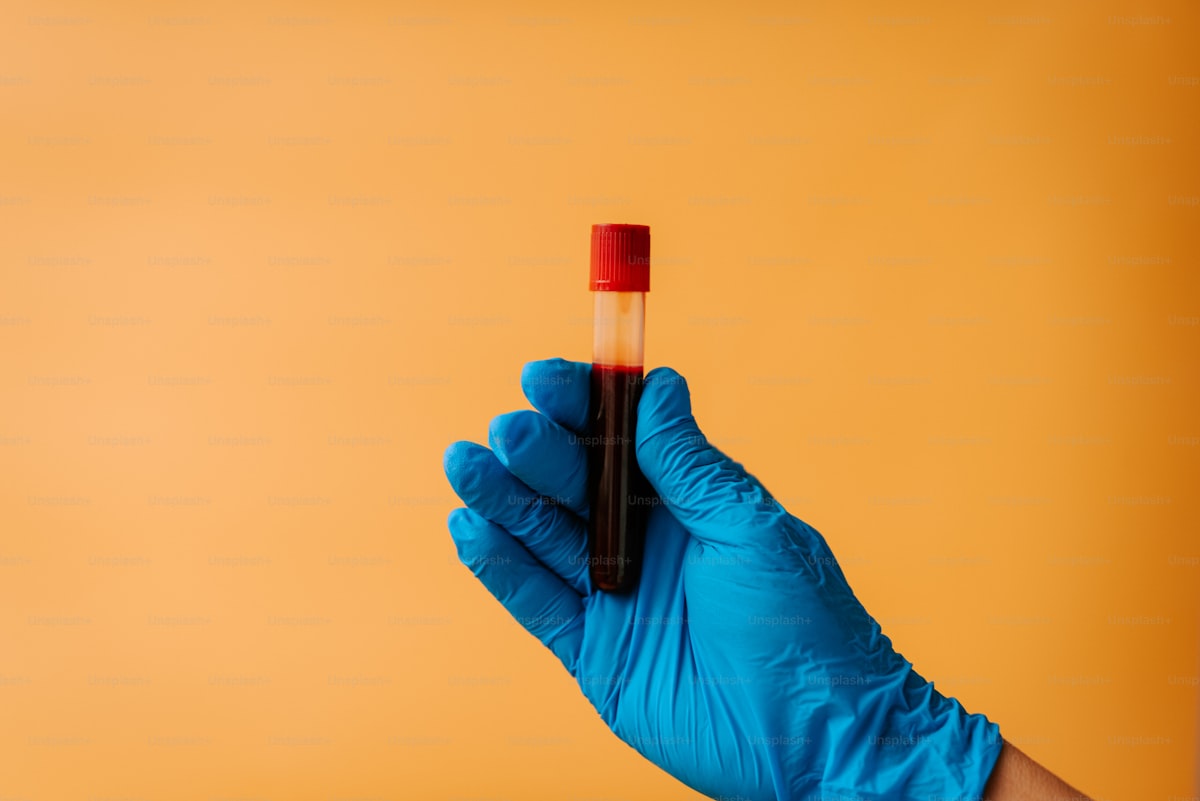
- A baseline IGF-1 draw is the step that turns a symptom list into a clinical picture
The Most Common Symptoms
Adults with declining GH output most often report changes in body composition, sleep, and energy before anything else. The symptoms below are the ones that appear most consistently in clinical descriptions of adult GH decline.
- Increased visceral and abdominal fat despite stable diet and activity
- Reduced lean muscle mass and strength
- Poor slow-wave sleep and waking unrefreshed
- Low daytime energy and reduced exercise capacity
- Slower recovery from training or injury
- Reduced bone mineral density over time
- Thinner skin and reduced skin elasticity
- Lower mood, motivation, and sense of wellbeing
Age-Related Decline vs Pathologic Deficiency
Two different conditions get described with the same words. Age-related GH decline, or somatopause, is the gradual fall in GH output that begins in the 20s and continues at roughly 14 to 15 percent per decade. Pathologic adult growth hormone deficiency is a distinct medical condition caused by pituitary or hypothalamic disease, trauma, radiation, or surgery, and it is diagnosed and treated under formal endocrine criteria (Endocrine Society guideline, Molitch et al., 2011 [1]).
| Feature | Age-related decline | Pathologic deficiency |
|---|---|---|
| Cause | Normal aging of the GH axis | Pituitary or hypothalamic disease, trauma, radiation |
| Pituitary function | Intact, responds to GHRH | Often impaired |
| Onset | Gradual from the 20s | Can be sudden or disease-linked |
| Typical management | GHRH analog such as sermorelin | Often exogenous HGH replacement |
| Diagnosis | Baseline IGF-1 plus symptoms | IGF-1 plus stimulation testing |
The distinction changes the treatment. Sermorelin suits age-related decline because it stimulates an intact pituitary. Pathologic deficiency, where the pituitary itself cannot respond, often requires exogenous HGH instead.
The "Age-Related Decline vs Pathologic Deficiency" section above is background. A prescriber is what turns it into a protocol. SystemLabs is the provider we found doing that, at $179 a month, checking baseline IGF-1 levels before it prescribes, then formulates dose on clinical indication.
Why the Symptoms Are Easy to Misread
The GH decline symptom cluster overlaps with several other common conditions. Low testosterone in men produces nearly the same body composition and energy picture. Hypothyroidism causes fatigue, weight gain, and low mood, and it also reduces the liver capacity to convert GH into IGF-1. Poor sleep from any cause lowers GH output on its own. This overlap is the reason a symptom checklist cannot confirm GH decline by itself.
A baseline IGF-1 panel is the step that separates GH decline from its look-alikes. In men, total and free testosterone belong on the same panel. Thyroid markers, including TSH, free T3, and free T4, are added when hypothyroidism is plausible, because low thyroid function suppresses IGF-1 independent of the GH axis.
How GH Decline Is Diagnosed
IGF-1 is the primary screening marker because it is stable across the day, unlike GH itself, which is released in pulses and is hard to capture on a single draw. IGF-1 must be read against an age-adjusted IGF-1 reference range, since the normal value falls steadily with age. A low or low-normal IGF-1 in an adult with the symptom cluster supports a clinical picture of GH decline. Pathologic deficiency is confirmed with formal stimulation testing in an endocrine setting.
- Document symptoms: body composition, sleep, energy, recovery
- Draw a baseline IGF-1, read against the age-adjusted range
- Add testosterone in men and thyroid markers where relevant
- Distinguish age-related decline from pathologic deficiency before choosing therapy
- For age-related decline with low IGF-1, a GHRH analog such as sermorelin is the typical option
What to Do With the Result
A low or low-normal IGF-1 alongside the symptom cluster is the point at which sermorelin becomes a reasonable conversation with a prescribing physician. A normal IGF-1 with symptoms points the workup elsewhere, often to testosterone, thyroid, or sleep. The value of the baseline draw is that it directs the next step instead of guessing.
Bottom Line
The symptoms of adult GH decline are real but non-specific, which makes the baseline IGF-1 lab the deciding factor rather than the symptom list. Age-related decline and pathologic deficiency are different conditions with different treatments. For age-related decline confirmed by a low IGF-1, sermorelin restores GH pulsatility through the intact pituitary. The first step is always the lab, not the prescription.
The symptoms here overlap with thyroid, sleep, and mood, which is why a baseline IGF-1 comes before any peptide. SystemLabs tests IGF-1 before prescribing and formulates sermorelin on clinical indication, so treatment starts from a measured number.
Frequently Asked Questions
What are the first signs of low growth hormone in adults?
The earliest reported signs are usually changes in sleep, energy, and body composition: lighter, less restorative slow-wave sleep, lower daytime energy, increasing visceral and abdominal fat, and gradual loss of lean muscle. These symptoms are non-specific and overlap with normal aging, low testosterone, and thyroid problems, so a baseline IGF-1 lab is needed to confirm the GH axis is involved.
How is adult growth hormone deficiency diagnosed?
IGF-1 is the primary screening marker because it is stable across the day, unlike GH, which is released in pulses. IGF-1 is read against an age-adjusted reference range. A low or low-normal result with the symptom cluster supports age-related GH decline. Pathologic GH deficiency from pituitary disease is confirmed separately with formal stimulation testing in an endocrine setting.
Is age-related GH decline the same as GH deficiency?
No. Age-related decline, or somatopause, is the normal fall in GH output that begins in the 20s and continues at roughly 14 to 15 percent per decade with an intact pituitary. Pathologic GH deficiency is a distinct medical condition caused by pituitary or hypothalamic disease, trauma, radiation, or surgery. The two have different diagnostic criteria and different treatments.
Can low growth hormone symptoms be caused by something else?
Yes, and frequently. Low testosterone in men produces nearly the same body composition and energy picture. Hypothyroidism causes fatigue, weight gain, and low mood, and it also lowers IGF-1 by reducing the liver capacity to respond to GH. Poor sleep lowers GH output on its own. This overlap is why a baseline panel, not a symptom checklist, confirms the cause.
Does growth hormone decline with age in everyone?
Yes. GH secretion peaks in late adolescence and falls steadily afterward, by roughly 14 to 15 percent per decade, driven mainly by smaller GH pulse amplitude. This is a normal part of aging. Whether it warrants treatment depends on the IGF-1 result and the presence of symptoms, not on age by itself.
References
- Evaluation and treatment of adult growth hormone deficiency: an Endocrine Society clinical practice guideline JCEM, 2011. PMID: 21543427. https://pubmed.ncbi.nlm.nih.gov/21543427/
- Human growth hormone and human aging (per-decade GH decline) Endocrine Reviews, 1993. PMID: 8491152. https://pubmed.ncbi.nlm.nih.gov/8491152/
- Growth hormone and aging Endotext (NCBI Bookshelf), 2020. NBK279056. https://www.ncbi.nlm.nih.gov/books/NBK279056/
- Sermorelin: a better approach to management of adult-onset growth hormone insufficiency? Clinical Interventions in Aging, 2006. PMC2682459. https://pmc.ncbi.nlm.nih.gov/articles/PMC2682459/