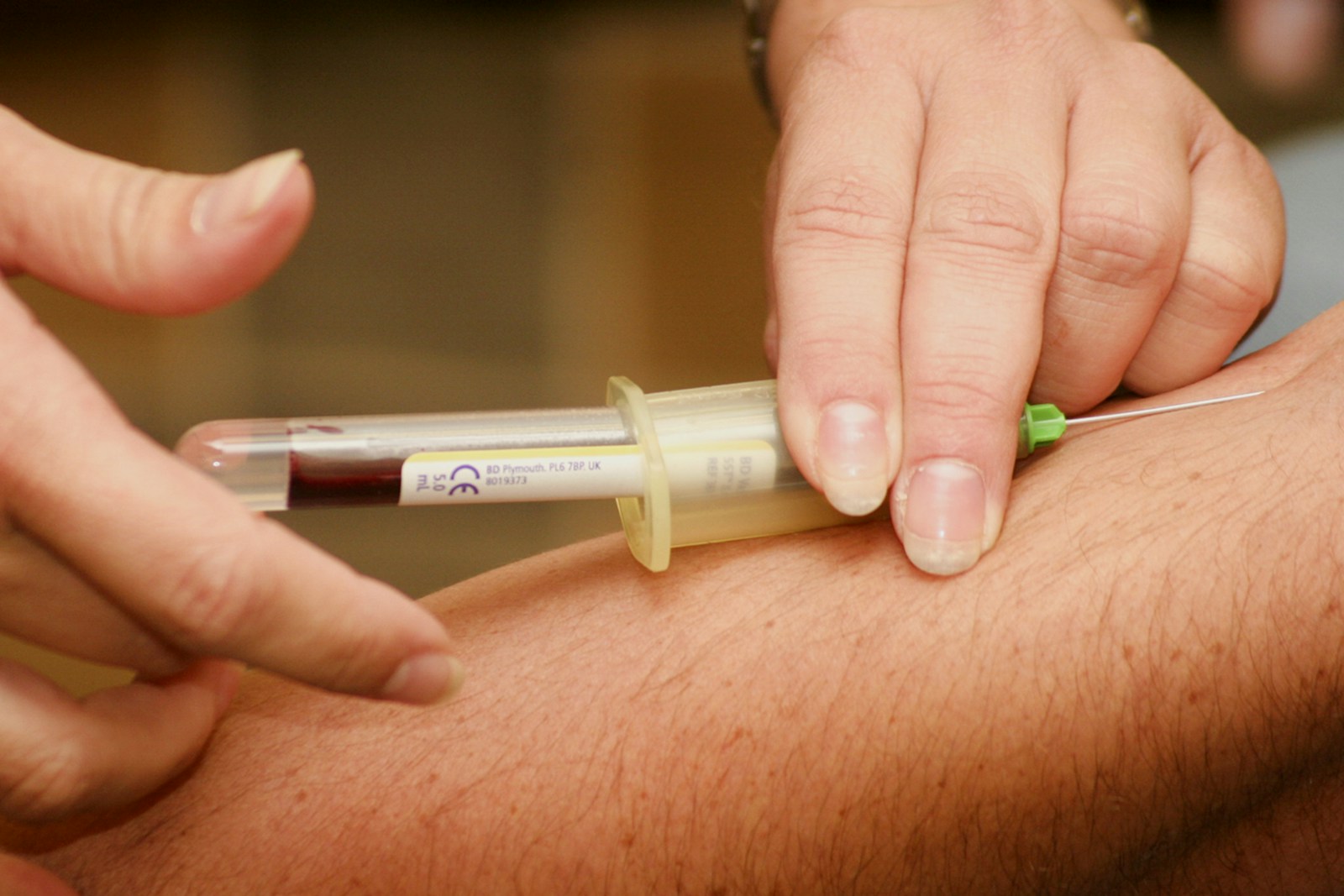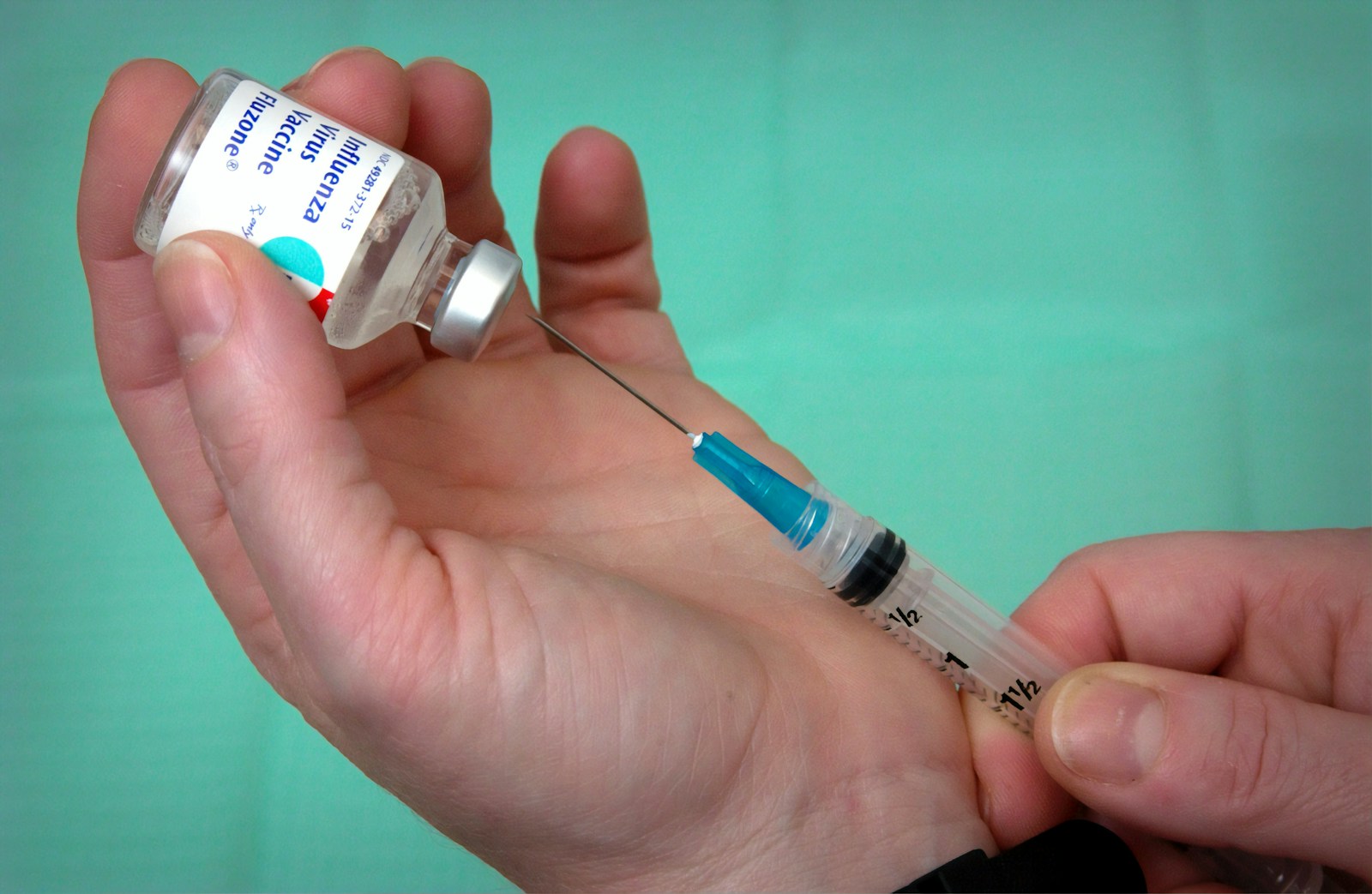

The advertised monthly price for sermorelin and the true all-in cost are often very different. Most providers bill IGF-1 lab monitoring separately, adding $80 to $150 per draw on top of the base medication price.
Compounded sermorelin through a telehealth provider costs between $79 and $329 per month, depending on the provider, dose, protocol type, and whether labs and follow-up are bundled into the plan. The advertised starting price and the actual all-in monthly cost are often different numbers. This guide breaks down what drives the price difference and what patients should expect to spend across a 6-month protocol.
- IGF-1, not GH, is the standard marker for assessing GH axis function
- Reference ranges are age- and sex-adjusted; being in range does not mean the axis is functioning optimally
- Low-normal (bottom third of age-adjusted range) with symptoms is the primary sermorelin candidate profile
- The 90-day retest is the clinical tool for confirming dose response
- No IGF-1 rise after 90 days at 200 mcg indicates a dosing, timing, or pituitary reserve problem
Current Price Range by Protocol Type
| Protocol | Monthly Cost | Notes |
|---|---|---|
| Sermorelin monotherapy | $79 to $179 | Single peptide, bedtime injection |
| Sermorelin + ipamorelin | $149 to $249 | Combination stack, amplified GH pulse |
| Sermorelin + CJC-1295 + ipamorelin | $199 to $329 | Triple stack, performance/longevity focus |
What Drives the Price Difference Between Providers
- Pharmacy tier: 503B outsourcing facilities cost more than 503A pharmacies but offer higher consistency standards
- Lab monitoring: bundled quarterly IGF-1 testing adds $50 to $100 per month to the effective cost
- Protocol complexity: single-peptide programs cost less than combination stacks, a pattern that holds across peptide therapy generally
- Physician oversight model: platforms with more clinical touchpoints charge more
- Subscription vs per-order: per-order pricing (like Strut Health) has no subscription premium
What Is Often Not Included in the Advertised Price
The monthly price shown on a provider's website typically covers the medication only. Several additional costs are commonly billed separately and should be factored into the total program cost before comparing providers.
- Baseline IGF-1 lab work: $80 to $150 if not included in the plan
- 90-day follow-up IGF-1 panel: $80 to $150 per draw
- Physician consultation fee: $0 to $150 for the initial visit
- Shipping: free at most providers, $15 to $30 at others
- Syringes and supplies: usually included, worth confirming
"What Is Often Not Included in the Advertised Price" is worth knowing, but it does not change your dose or your labs on its own. Embody prescribes compounded sermorelin for $99 a month, with no insurance or bloodwork requirement, prescribed and monitored by licensed clinicians.
True All-In Monthly Cost: What to Calculate
Take the monthly medication price, add the annualized cost of required labs divided by 12, and add any consultation or shipping fees. This is the all-in monthly figure. A $79/month plan with $300 in annual lab costs is effectively $104/month.
FSA and HSA Eligibility
Most compounded sermorelin programs are FSA and HSA eligible, including the medication, consultation fees, and lab draws. This is meaningful because FSA and HSA funds are pre-tax dollars. The effective after-tax cost of sermorelin therapy is 20 to 37 percent lower for patients using these accounts, depending on their tax bracket. Patients with an FSA or HSA should confirm eligibility with their specific provider before ordering.
Does Insurance Cover Sermorelin
Standard health insurance does not cover compounded sermorelin. The original brand-name sermorelin acetate (Geref) was FDA-approved and covered before its voluntary withdrawal in 2008. Compounded sermorelin does not qualify for insurance coverage because it is not an FDA-approved finished drug product. Patients on Medicare or commercial insurance plans should expect to pay out of pocket for compounded sermorelin programs.
Bottom Line
A well-designed 6-month sermorelin monotherapy protocol from a reputable telehealth provider costs $600 to $1,200 all-in, including medication and labs. A combination peptide protocol runs $1,200 to $2,000 for the same period. These figures assume quarterly IGF-1 monitoring. Patients who use FSA or HSA funds reduce the effective cost by 20 to 37 percent. The providers with the lowest advertised prices are not always the least expensive when lab and consultation costs are added. Comparing the all-in monthly figure across at least 3 providers before committing is worthwhile. If your protocol adds ipamorelin or CJC-1295, the broader peptide therapy cost breakdown covers how stack pricing moves.
All-in monthly cost varies widely by what each program bundles. Embody starts at $99/month with no insurance or bloodwork required, one of the lowest published entry prices among the reviewed providers.
Frequently Asked Questions
Does insurance cover sermorelin?
No. Compounded sermorelin is not covered by standard health insurance. Compounded preparations for age-related GH decline are considered wellness protocols by insurers and are not covered. Patients pay out of pocket. FSA and HSA funds are eligible for prescription compounded medications, including sermorelin, and for the lab draws required for monitoring.
Why do sermorelin prices vary so much between providers?
The price difference between a $79 and a $329 monthly program reflects what is included. Cheaper programs typically bundle medication only; lab work, physician consultations, and follow-up visits are billed separately. More expensive programs may include baseline and follow-up IGF-1 testing, unlimited provider messaging, and higher pharmacy standards. The relevant comparison is the all-in annual cost, not the headline monthly medication price.
Are cheaper sermorelin programs less effective?
The price of a program does not directly determine compound quality. A $79/month program from a 503B-registered pharmacy with a documented COA is not inherently lower quality than a $179/month program from a 503A pharmacy. What matters is the pharmacy registration tier, whether the batch has been tested to USP 797 and USP 85 standards, and whether a COA is available. Low price is a concern only when it is accompanied by no pharmacy documentation and no lab requirements.
Can I use FSA or HSA funds for sermorelin?
Yes. Compounded medications dispensed with a valid prescription from a licensed physician are eligible for FSA and HSA reimbursement. The IGF-1 lab draws required for sermorelin monitoring are also typically FSA/HSA eligible. Using pre-tax funds effectively reduces the cost of a 6-month protocol by 20 to 37 percent depending on your marginal tax bracket.
References
- Genotropin and Humatrope pricing (cash pay with manufacturer discounts) GoodRx.com, 2026. https://www.goodrx.com/genotropin
- Federal Register Notice: Geref Sermorelin Acetate Injection Were Not Withdrawn From Sale for Reasons of Safety or Effectiveness Federal Register, 2013. 78 FR 14123. https://www.federalregister.gov/documents/2013/03/04/2013-04827/
- Publication 502: Medical and Dental Expenses Internal Revenue Service, 2026. https://www.irs.gov/publications/p502
- Human Drug Compounding Laws (Compounding Quality Act, Section 503A and 503B) U.S. Food & Drug Administration, 2013. https://www.fda.gov/drugs/human-drug-compounding/human-drug-compounding-laws