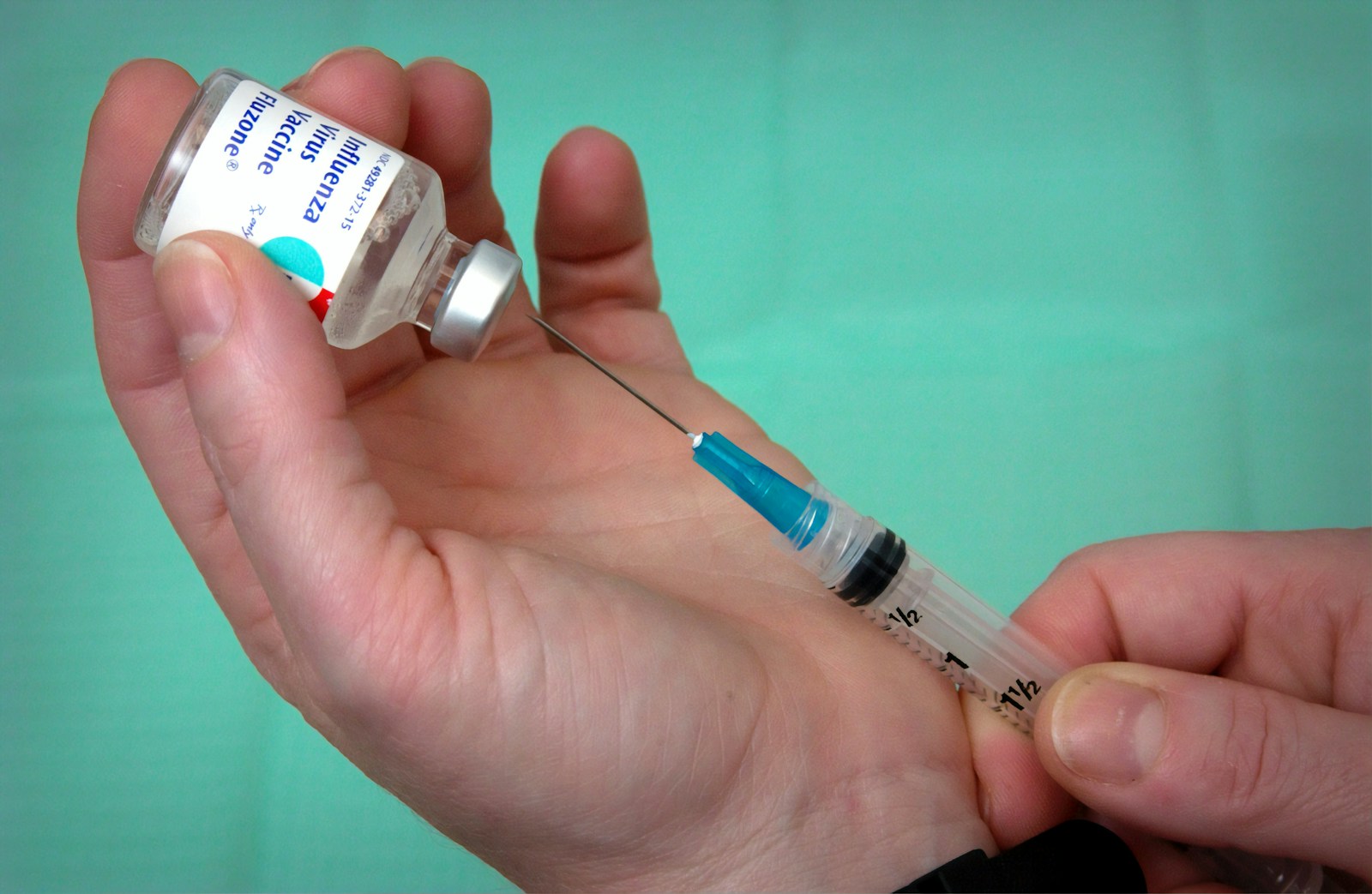
Sermorelin does not inject synthetic growth hormone. It stimulates the pituitary gland to produce more of its own GH, at a fraction of the cost of synthetic HGH.
Sermorelin is a synthetic 29-amino acid peptide that mirrors the structure of endogenous growth hormone-releasing hormone (GHRH) [2]. When injected subcutaneously, sermorelin simulates the pituitary gland by binding to specific receptors to increase production and secretion of endogenous growth hormone [1]. That growth hormone then travels to the liver, where it triggers production of insulin-like growth factor 1 (IGF-1), the downstream molecule responsible for most of the clinical effects associated with GH therapy.
- Sermorelin stimulates the pituitary to produce GH; synthetic HGH delivers GH directly
- Sermorelin costs $79 to $329/mo; synthetic HGH costs $600 to $2,000+ per month
- Sermorelin preserves the somatostatin feedback loop; somatropin bypasses it
- For age-related GH decline with intact pituitary function, sermorelin is the correct first-line option
- Synthetic HGH is reserved for confirmed pituitary insufficiency or non-response to sermorelin
How Sermorelin Works
The mechanism is upstream stimulation rather than hormone replacement. Sermorelin's effects are regulated by negative feedback involving the inhibitory neurohormone, somatostatin, so overdoses of endogenous hGH are difficult to achieve, unlike with exogenous rhGH [1]. The pituitary moderates its own output, which makes physiologic GH oversaturation unlikely at standard doses.
- Binds GHRH receptors in the anterior pituitary
- Stimulates pulsatile GH secretion aligned with natural sleep cycles
- Liver converts GH to IGF-1, the primary downstream biomarker
- Somatostatin feedback loop remains active, self-limiting GH output
Who Is a Candidate for Sermorelin
Sermorelin is prescribed for adults with age-related GH decline, not pathologic GH deficiency from pituitary disease. The primary candidates are adults over 30 who show low or low-normal IGF-1 on a baseline lab draw along with symptomatic decline: reduced lean mass, increased visceral fat, disrupted slow-wave sleep, low energy, or slow recovery from exercise.
A baseline IGF-1 panel is required before any legitimate provider will prescribe sermorelin. This establishes whether the GH axis is functioning below the threshold that justifies treatment.
- Adults over 30 with documented low or low-normal IGF-1
- Symptomatic GH decline: poor sleep, reduced lean mass, increased body fat
- Not indicated for patients with active malignancy or pituitary tumors
- Not appropriate when exogenous HGH is the only effective option (severe GH deficiency)
"Who Is a Candidate for Sermorelin" is the kind of detail worth bringing to an actual intake call, not just noting. Embody is our top-ranked provider at $99 a month, with no insurance or bloodwork requirement, prescribed and monitored by licensed clinicians.
What to Expect: Timeline of Effects
Sermorelin does not produce rapid visible changes. The mechanism is gradual pituitary resensitization, not acute hormone delivery. IGF-1 elevation is measurable within 2 weeks of starting a correct bedtime protocol [3]. Body composition changes from GHRH-analog therapy develop over a 6-month protocol [7]. A 90-day IGF-1 retest is the typical clinical checkpoint for assessing dose response.
| Timeframe | What Changes |
|---|---|
| Within 2 weeks | [Measurable IGF-1 elevation begins](https://pubmed.ncbi.nlm.nih.gov/9141536/) [3] |
| 12 weeks | Sustained IGF-1 response; standard 90-day assessment point |
| 6 months | [Visceral fat reduction documented in GHRH-analog trials](https://pmc.ncbi.nlm.nih.gov/articles/PMC4324360/) [7] |
| Long-term | Body composition changes accumulate with concurrent exercise and adequate protein |
How Sermorelin Is Dosed and Administered
Sermorelin is injected subcutaneously, typically into the periumbilical abdomen or lateral thigh. The FDA-approved Geref label dosing is pediatric (30 mcg/kg/day) for GHD treatment or diagnostic (1 mcg/kg IV [4]. Adult doses used in telehealth practice are physician-determined and off-label. Bedtime timing aligns the dose with the body's natural post-sleep-onset GH pulse [8]. Dose adjustments are guided by 90-day IGF-1 retest results and symptom response.
- Route: subcutaneous injection (not intramuscular)
- Typical dose: physician-determined (off-label adult use)
- Timing: bedtime, to align with natural GH pulsation
- 90-day IGF-1 retest guides dose adjustment
Side Effects
Side effects from sermorelin are typically mild. The FDA-approved Geref label identifies local injection-site reactions (pain, swelling, or redness) as the most common treatment-related adverse event, occurring in about 1 patient in 6. Other adverse events such as flushing, headache, and dizziness are listed at <1% incidence. For a full breakdown of expected effects and contraindications, see the dedicated side effects guide.
- Injection-site reactions (pain, swelling, redness): most common treatment-related event in the Geref label
- Flushing, headache, dizziness: uncommon adverse events (<1% incidence) in the Geref label
- GH oversaturation is unlikely at standard doses because the somatostatin feedback axis stays intact [1]
How Sermorelin Differs from Synthetic HGH
Synthetic HGH (recombinant somatropin) delivers growth hormone directly into circulation, bypassing the pituitary entirely. Sermorelin stimulates the pituitary to produce its own GH. The practical differences are significant: sermorelin costs $79 to $329 per month; recombinant somatropin costs $600 to $2,000 per month. Sermorelin preserves the somatostatin feedback loop; somatropin does not, making GH oversaturation a real risk at higher doses.
| Factor | Sermorelin | Synthetic HGH |
|---|---|---|
| Mechanism | Stimulates pituitary GH production | Delivers GH directly |
| Feedback loop | Intact (self-limiting) | Bypassed |
| Monthly cost (telehealth) | $79 to $329/mo | $600 to $2,000+/mo |
| Onset | Gradual (weeks to months) | Faster (acute) |
| Oversaturation risk | Low at standard doses | Present at higher doses |
Bottom Line
Sermorelin is the appropriate first-line option for adults with age-related GH decline who have a documented low IGF-1 on baseline labs. It is safer, more affordable, and produces results consistent with the clinical goal of restoring youthful GH pulsatility rather than achieving supraphysiologic GH levels. Patients who do not respond after 6 months of optimized sermorelin dosing (typically because pituitary reserve is insufficient) may need to consider recombinant somatropin under specialist supervision.
Sermorelin is a prescription peptide, which means a legitimate protocol starts with a licensed clinician. Embody is our top-ranked provider at $99/month with no insurance or bloodwork required, filled through a compounding pharmacy.
Frequently Asked Questions
Is sermorelin FDA approved?
Compounded sermorelin is not FDA approved. The original brand-name sermorelin acetate (Geref Diagnostic) held FDA approval but was voluntarily withdrawn from the market in 2008. All sermorelin currently prescribed through telehealth is compounded by licensed 503A or 503B pharmacies. It is legal to prescribe and dispense as a compounded preparation, but it does not carry an active FDA approval.
Is sermorelin the same as HGH?
No. Sermorelin is a GHRH analog that stimulates the pituitary to produce its own growth hormone. HGH (somatropin) delivers growth hormone directly into the bloodstream. Sermorelin works upstream through the body's natural pituitary signaling. Synthetic HGH bypasses the pituitary entirely. This distinction is why sermorelin preserves the somatostatin feedback loop and somatropin does not.
How long does sermorelin stay in your system?
Sermorelin has a half-life of about 11 to 12 minutes based on the FDA-approved Geref prescribing information [4]. The peptide clears rapidly from circulation. The downstream effects persist longer: IGF-1, the primary clinical biomarker, has a half-life of 12 to 15 hours [5]. The effect of a bedtime injection remains visible the following morning through elevated IGF-1.
Can you take sermorelin if you have diabetes?
Diabetes is not an absolute contraindication on the Geref label, but it requires physician review. Growth hormone antagonizes insulin action via multiple molecular pathways [6] and may affect glucose control in patients managing diabetes. Active diabetic retinopathy is a contraindication on the somatropin (recombinant HGH) class label. Patients with well-controlled type 2 diabetes who do not have retinopathy may be candidates, but glucose and HbA1c should be monitored alongside standard IGF-1 monitoring.
Does sermorelin suppress the pituitary?
No. This is a key clinical difference from synthetic HGH. Sermorelin stimulates pituitary gene transcription of hGH messenger RNA, increasing pituitary reserve [1]. Stopping sermorelin does not produce the GH deficiency rebound seen in patients who stop long-term HGH.
References
- Sermorelin: a better approach to management of adult-onset growth hormone insufficiency? Clinical Interventions in Aging, 2006. PMID: 18046908. https://pmc.ncbi.nlm.nih.gov/articles/PMC2699646/
- Sermorelin: a review of its use in the diagnosis and treatment of children with idiopathic growth hormone deficiency BioDrugs, 1999. PMID: 18031173. https://pubmed.ncbi.nlm.nih.gov/18031173/
- Endocrine and metabolic effects of long-term administration of [Nle27]growth hormone-releasing hormone-(1-29)-NH2 in age-advanced men and women Journal of Clinical Endocrinology & Metabolism, 1997. PMID: 9141536. https://pubmed.ncbi.nlm.nih.gov/9141536/
- Geref (Sermorelin Acetate) Prescribing Information RxList, 2008. NDA 19-863. https://www.rxlist.com/sermorelin-acetate-drug.htm
- The role of insulin-like growth factor-I and its binding proteins in glucose homeostasis and type 2 diabetes Diabetes Metab Res Rev, 2009. PMC4153414. https://pmc.ncbi.nlm.nih.gov/articles/PMC4153414/
- Effect of Growth Hormone on Insulin Signaling Molecular and Cellular Endocrinology, 2020. PMC7606590. https://pmc.ncbi.nlm.nih.gov/articles/PMC7606590/
- Effects of Growth Hormone Releasing Hormone on Visceral Fat, Metabolic and Cardiovascular Indices in Human Studies Growth Hormone & IGF Research, 2015. PMC4324360. https://pmc.ncbi.nlm.nih.gov/articles/PMC4324360/
- Adaptation of the 24-h growth hormone profile to a state of sleep debt American Journal of Physiology, 2000. https://journals.physiology.org/doi/full/10.1152/ajpregu.2000.279.3.R874