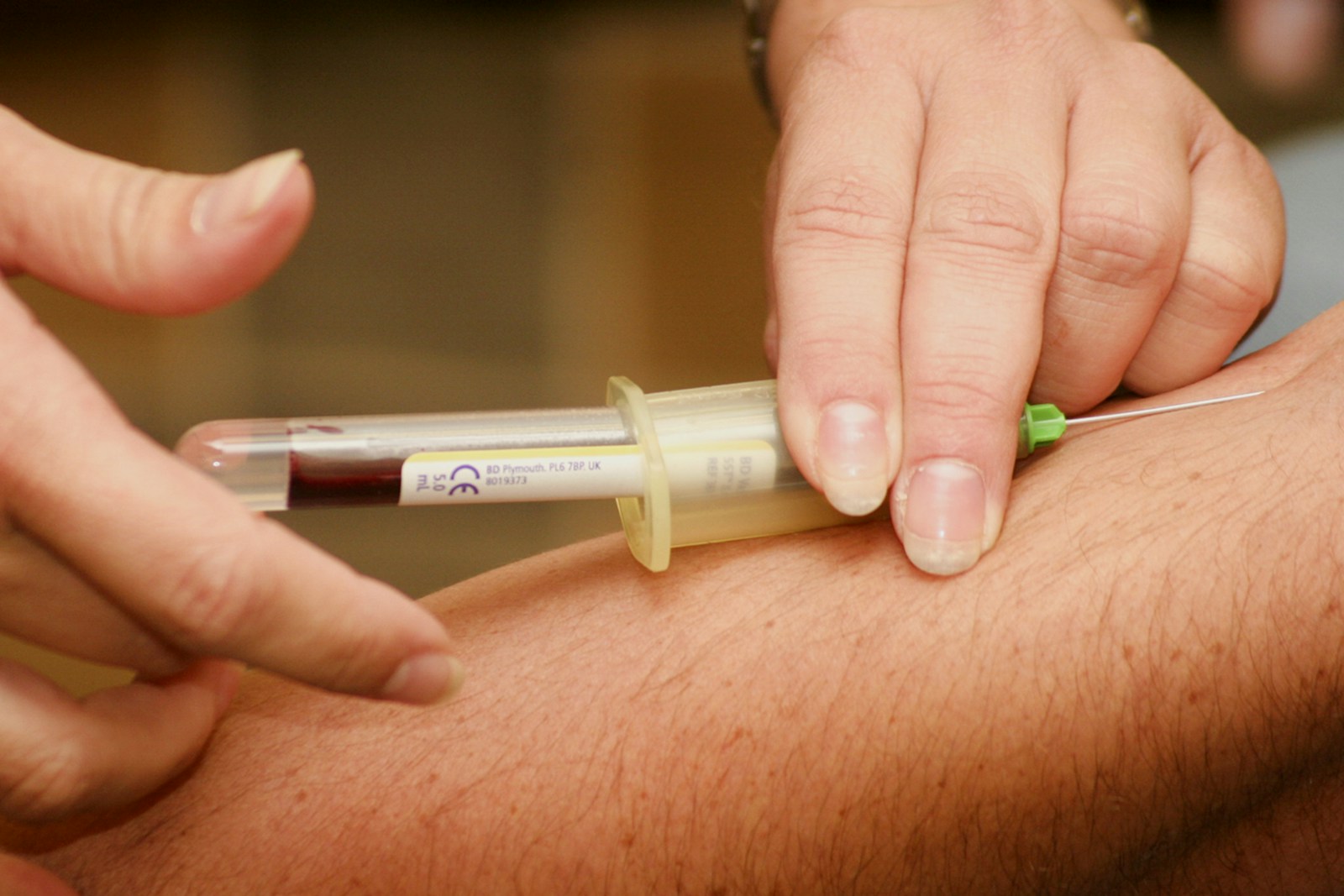
The FDA inspects 503B outsourcing facilities using the same inspection framework as commercial drug manufacturers. A 503B-compounded sermorelin batch is tested to a higher regulatory standard than a 503A-compounded batch from a state-regulated pharmacy.
Compounded sermorelin is a prescription preparation made to order by licensed pharmacies. The original brand-name sermorelin acetate (Geref Diagnostic) held FDA approval before its voluntary market withdrawal in 2008. All sermorelin currently prescribed through telehealth is compounded: prepared to individual prescriptions by licensed pharmacies. Whether compounded sermorelin is safe depends entirely on the pharmacy that prepares it and the quality standards applied.
- Injecting in the morning instead of at bedtime significantly reduces IGF-1 response
- Eating within 2 hours of injection blunts the pituitary response via elevated insulin
- Intramuscular injection delivers medication to the wrong depth; use a 4 to 8 mm needle at 45 degrees
- Skipping the 90-day IGF-1 retest means running a protocol with no objective measure of whether it works
- Stopping at 6 to 8 weeks after sleep improvement misses the primary clinical outcomes
503A vs 503B: What the Designations Actually Mean
The two regulatory frameworks for compounding pharmacies in the United States are 503A and 503B, established under the Drug Quality and Security Act [2] of 2013.
| 503A pharmacy | 503B outsourcing facility | |
|---|---|---|
| Regulation | State board of pharmacy | FDA (federal) |
| Inspection | State inspectors | FDA inspectors, same frequency as drug manufacturers |
| Manufacturing standard | USP 795/797 | Current Good Manufacturing Practice (cGMP) |
| Batch size | Per individual prescription | Large batches (no prescription required) |
| Sterility testing | [USP 797](https://www.usp.org/compounding/general-chapter-797) [4] required | cGMP sterility testing required |
| IGF-1 testing | Not required (varies) | Potency testing required per cGMP |
503B facilities are the higher regulatory standard. FDA inspects them using the same framework it applies to commercial pharmaceutical manufacturers. A batch of sermorelin compounded at a 503B facility has been tested for potency, sterility, and endotoxin content by an FDA-regulated operation. A 503A batch has been prepared to USP standards and is regulated by the state, but the inspection frequency and documentation requirements are less stringent.
USP 797: What Sterility Testing Requires
USP 797 is the United States Pharmacopeia standard for sterile compounded preparations. It specifies requirements for beyond-use dating, environmental monitoring of the clean room, personnel training, and sterility testing. A 503A pharmacy compounding injectable sermorelin is required to follow USP 797. Compliance means the batch was prepared in a certified cleanroom, by trained personnel, with sterility testing completed before release.
USP 85 is the endotoxin testing standard. Endotoxins are bacterial cell wall components that cause fever and inflammatory responses when injected. An endotoxin test (LAL test) confirms the batch is below the safe limit for injectable medications. A sermorelin batch that passes both USP 797 and USP 85 testing has met the applicable sterility and endotoxin standards for injectable compounded medications.
"USP 797: What Sterility Testing Requires" is the kind of detail worth bringing to an actual intake call, not just noting. SystemLabs checks baseline IGF-1 levels before it prescribes, then formulates dose on clinical indication, at $179 a month.
Certificate of Analysis: What to Look For
A Certificate of Analysis (COA) is the batch-level quality document that records the testing results for a specific lot of compounded sermorelin. A COA should include: the compound name and lot number, the date of compounding, the date of testing, the potency result (actual vs. label claim), the sterility test result (pass/fail), and the endotoxin result (value vs. limit).
- Potency: should be within 90 to 110% of the labeled concentration
- Sterility: should pass USP 797 sterility testing for the assigned beyond-use date
- Endotoxin: should be below the USP 85 limit for injectable medications (0.5 EU/kg/hr)
- If a provider cannot produce a COA on request, the compound quality is unverifiable
The Risk of No-Lab Providers
Some providers explicitly state that lab testing is not required to begin sermorelin. This is a prescribing practice issue, not a pharmacy quality issue, but the two are often correlated. Providers that do not require baseline labs before prescribing also tend not to publish pharmacy quality documentation. The pattern of low clinical rigor at intake often extends to low transparency about compound quality.
The safest sermorelin protocols use a 503B or well-documented 503A pharmacy, require baseline IGF-1 before prescribing, publish COA documentation on request, and monitor IGF-1 at 90 days. Any deviation from this standard requires a specific clinical justification, not a business justification.
Storage and Stability: Your Role in Compound Safety
Post-compounding safety is partly the patient's responsibility. A 503B-tested batch can be compromised within hours if left at room temperature after delivery. Peptides are not stable at room temperature: the peptide bonds that give sermorelin its structure degrade with heat. Freezing ruptures the vial's sterility barrier. The pharmacy's testing applies to the batch as received; it does not extend to a vial that was left on the counter for three hours before being refrigerated.
- Lyophilized (unreconstituted) powder: store in the refrigerator or at room temperature per pharmacy instructions
- Reconstituted solution: refrigerate immediately; do not freeze
- Beyond-use date: typically 20 to 30 days after reconstitution; discard on schedule
- Inspect the solution before each injection: it should be clear, colorless, and free of particles
Bottom Line
Compounded sermorelin from a well-documented 503A or 503B pharmacy, tested to USP 797 sterility and USP 85 endotoxicity standards, is a clinically safe preparation for adults who meet the prescribing criteria. The safety risk is not inherent to compounding; it comes from pharmacies that skip testing, providers that do not verify pharmacy quality, and patients who store reconstituted peptides incorrectly. Asking your provider for the pharmacy name, its registration tier, and a COA for your batch reduces this risk to near zero.
The line between a compounded prescription and a research-chem vial is the baseline IGF-1 and the licensed pharmacy behind it. SystemLabs tests IGF-1 before prescribing and formulates sermorelin through a licensed compounding pharmacy.
Frequently Asked Questions
Is compounded sermorelin as effective as the original FDA-approved version?
The same active molecule is used. The FDA-approved product (Geref Diagnostic) and compounded sermorelin share the same 29-amino acid GHRH analog structure. The clinical difference lies in manufacturing quality, not the molecule itself. A 503B-compounded sermorelin batch tested to cGMP standards with a documented COA for identity, potency, sterility, and endotoxicity is equivalent in clinical effect to the original approved product.
How can I verify my compounding pharmacy is legitimate?
Ask your provider for the pharmacy name and its registration number. You can verify 503B registration status at the FDA's outsourcing facility database. For 503A pharmacies, registration is managed by the state board of pharmacy. A legitimate pharmacy can also provide a Certificate of Analysis for your specific batch, showing test results for potency, sterility (USP 797), and endotoxicity (USP 85).
What is a Certificate of Analysis for sermorelin?
A Certificate of Analysis (COA) is a document from the testing laboratory that verifies the quality of a specific compounded batch. It reports results for potency (the actual concentration of sermorelin in the vial), sterility tested per USP 797, endotoxicity tested per USP 85, and sometimes purity. Requesting the COA for your specific batch and reviewing the test results is the most direct way to assess compound quality.
Can compounded sermorelin be contaminated?
Compounded medications can be contaminated if prepared by pharmacies that do not follow proper sterility protocols. Contamination risk is the primary safety distinction between well-regulated and poorly regulated compounding pharmacies. 503B pharmacies tested to USP 797 and USP 85 standards have documented, independently verified sterility and endotoxicity results. Purchasing from a provider that cannot supply pharmacy documentation or a COA introduces contamination risk that does not exist with verified pharmacies.
References
- Federal Register Notice: Geref Was Not Withdrawn From Sale for Reasons of Safety or Effectiveness Federal Register, 2013. 78 FR 14123. https://www.federalregister.gov/documents/2013/03/04/2013-04827/
- Human Drug Compounding Laws (Drug Quality and Security Act of 2013) U.S. FDA, 2013. https://www.fda.gov/drugs/human-drug-compounding/human-drug-compounding-laws
- Information for Outsourcing Facilities (Section 503B, FDA inspection, cGMP) U.S. FDA, 2026. https://www.fda.gov/drugs/human-drug-compounding/information-outsourcing-facilities
- General Chapter 797 Pharmaceutical Compounding for Sterile Preparations United States Pharmacopeia, 2023. https://www.usp.org/compounding/general-chapter-797
- Beyond-Use Date (BUD) Factsheet for revised USP 797 USP, 2020. https://www.usp.org/sites/default/files/usp/document/our-work/compounding/usp-bud-factsheet.pdf