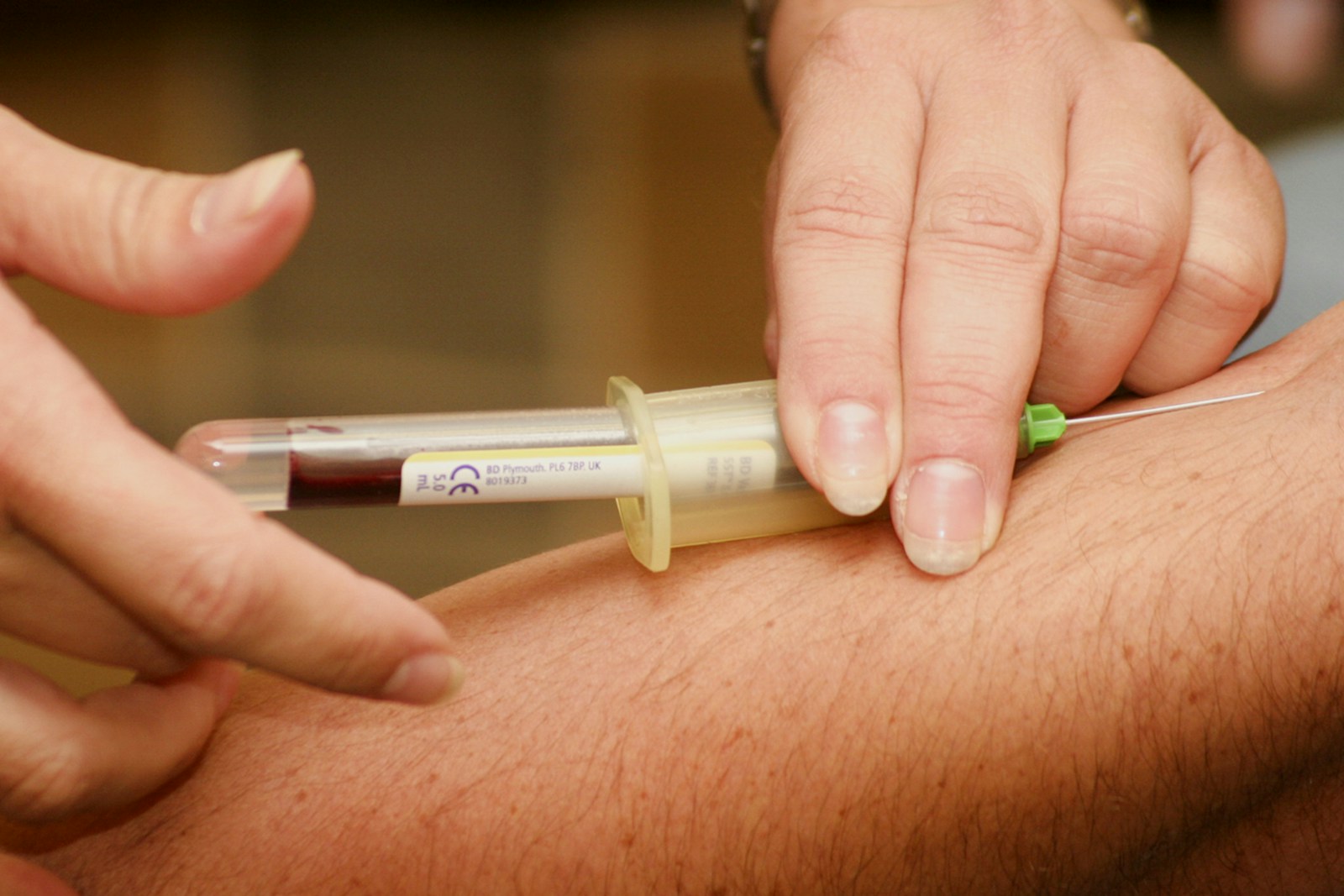

The majority of telehealth sermorelin platforms do not require a baseline IGF-1 before prescribing. Without a baseline, neither the patient nor the physician can confirm the treatment is indicated or measure whether the protocol is working.
The quality of sermorelin providers varies significantly. Some require baseline IGF-1 testing, document pharmacy standards, and include follow-up monitoring. Others issue prescriptions based on an intake questionnaire alone with no lab requirement and no pharmacy documentation. Evaluating a provider before purchasing requires asking specific questions, not reading marketing copy.
- Sermorelin does not cause direct fat loss; it restores GH axis function which improves fat metabolism
- GH stimulates lipolysis and reduces glucose uptake by fat cells
- Realistic outcome: 2 to 5 percent body fat reduction over a 6-month protocol, mostly visceral fat
- Lean mass gains require resistance training alongside sermorelin
- Sermorelin is not comparable to GLP-1 drugs in weight loss magnitude or speed
1. Do You Require a Baseline IGF-1 Before Prescribing?
A baseline IGF-1 is the clinical foundation for any sermorelin prescription. It confirms the GH axis is functioning below the threshold that justifies treatment. Without it, the prescription is issued without confirmed clinical indication. Any provider that states baseline lab work is not required is telling you the prescription decision is not grounded in your actual hormone data.
"Lab testing is not required to begin treatment." This statement, published verbatim by at least one major sermorelin telehealth platform, means prescriptions are issued without confirmed clinical indication.
2. What Pharmacy Compounds Your Sermorelin?
The answer should name a specific 503A or 503B-registered pharmacy. A 503B outsourcing facility is FDA-registered and held to cGMP standards comparable to commercial drug manufacturers. A 503A pharmacy is regulated by the state board of pharmacy and compounds to individual prescriptions. Both are legitimate. Vague answers like "a licensed pharmacy" or "we work with trusted compounders" are not sufficient.
- Ask for the pharmacy name and its 503A or 503B registration number
- Verify registration at the state board of pharmacy website (503A) or FDA outsourcing facility directory (503B)
- Ask if the pharmacy publishes a Certificate of Analysis (COA) for each batch
- A COA should include potency, sterility test result, and endotoxin limit result
"What Pharmacy Compounds Your Sermorelin?" sets up a decision most readers never finish making. Embody runs that evaluation for $99 a month, with no insurance or bloodwork requirement, prescribed and monitored by licensed clinicians.
3. What Testing Standards Apply to Your Compounds?
The specific standards are USP 797 [4] (sterility) and USP 85 (endotoxicity). A provider that confirms these specific standards applies a clear quality bar. A provider that says "our compounds are tested" without specifying the standard may or may not be meeting the same threshold. Providers that publish USP 797 and USP 85 documentation are the most transparent in this comparison.
4. Is a 90-Day Follow-Up IGF-1 Part of the Protocol?
A provider that does not mention IGF-1 follow-up is dispensing medication without a feedback loop. The 90-day draw is not optional; it is the only objective way to confirm the prescription produced a GH axis response and that the dose is correct. Ask: "What is your protocol for assessing whether this is working?" A provider with no answer to that question has no clinical process behind the prescription.
5. What Is the All-In Monthly Cost?
The advertised price and the true monthly cost are often different. Labs, physician consultations, and shipping may or may not be included. Get a line-item breakdown before committing. The all-in monthly cost for a correctly monitored sermorelin protocol includes: medication, baseline lab draw, 90-day follow-up lab draw, physician consultation fee, and shipping. Some providers bundle all of these; most do not.
6. Is the Prescribing Physician Licensed in My State?
Telehealth prescriptions are subject to state medical licensing requirements. A physician must hold a license in the patient's state of residence to prescribe. Ask specifically whether the platform has licensed prescribers in your state. Some platforms exclude specific states; others route prescriptions through third-party physician networks that may have geographic gaps.
7. What Are the Contraindication Screening Questions?
Any legitimate sermorelin intake should ask about active malignancy, history of GH-dependent tumors, diabetic retinopathy, uncontrolled hypothyroidism, and pregnancy. If the intake questionnaire does not include these questions, the platform is not screening for the absolute contraindications to sermorelin use. A short questionnaire that only asks about goals and general health history is not sufficient clinical screening.
8. Can I Request a COA for My Specific Batch?
A Certificate of Analysis (COA) is the compound quality document produced for each batch by the compounding pharmacy. A provider that cannot provide a COA on request either does not have one or does not have a relationship with the pharmacy that allows them to obtain it. Either situation is a transparency problem. Receiving medication without the ability to verify the compound quality documentation is a quality risk.
Red Flags: What to Walk Away From
- No baseline IGF-1 required before prescribing
- Pharmacy name not disclosed or not verifiable
- No mention of USP 797 or 503A/503B registration
- No follow-up monitoring structure after the initial prescription
- Pricing only revealed after completing the full intake
- Intake questionnaire does not screen for contraindications
- Unable to produce a COA on request
Bottom Line
A legitimate sermorelin provider answers all eight of these questions clearly before you purchase. The answers are either published on the site or available within one direct question to the clinical team. Providers that deflect, give vague answers, or require a full intake before revealing basic clinical and pharmacy information are not operating at the standard of care that a prescription medication requires.
A provider worth choosing prescribes through licensed clinicians, fills through a compounding pharmacy, and monitors your response. Embody is our top-ranked provider on those terms, at $99/month with no insurance or bloodwork required.
Frequently Asked Questions
Do I need a blood test to get a sermorelin prescription?
A baseline IGF-1 is the minimum standard of care before any legitimate provider will prescribe sermorelin. It confirms clinical indication: that the GH axis is functioning below the threshold that justifies treatment. Providers that state lab testing is optional before prescribing are issuing prescriptions without confirmed clinical indication. If a provider will prescribe without any lab work, that is a disqualifying finding.
How do I verify a sermorelin provider is legitimate?
Ask eight specific questions directly: whether a baseline IGF-1 is required before prescribing; which pharmacy fills the prescription and whether it is 503A or 503B registered; whether the pharmacy tests to USP 797 and USP 85 standards; whether a Certificate of Analysis is available for your batch; what the all-in monthly cost is; whether follow-up IGF-1 monitoring is required at 90 days; who reviews the labs; and whether the prescribing physician is a licensed U.S. physician. Evasive answers to any of these are disqualifying.
What is the difference between a 503A and 503B compounding pharmacy?
503A pharmacies are regulated by state boards of pharmacy and compound to individual prescriptions. 503B outsourcing facilities are registered with and inspected by the FDA and must meet current Good Manufacturing Practice (cGMP) standards. 503B undergoes federal FDA inspections using the same framework applied to commercial drug manufacturers. Both are legal sources for compounded sermorelin; 503B provides stronger quality assurance.
Can sermorelin be obtained without a prescription?
No. Sermorelin is a prescription compound in the United States and cannot be legally dispensed without a valid prescription from a licensed physician. Any source offering sermorelin without a physician consultation and prescription is selling an illegal product. The compound may be mislabeled, undertested, or contaminated.
References
- Compounding and the FDA: Questions and Answers U.S. Food & Drug Administration, 2026. https://www.fda.gov/drugs/human-drug-compounding/compounding-and-fda-questions-and-answers
- Human Drug Compounding Laws (503A vs 503B regulatory framework) U.S. FDA, 2013. https://www.fda.gov/drugs/human-drug-compounding/human-drug-compounding-laws
- Information for Outsourcing Facilities (503B) U.S. FDA, 2026. https://www.fda.gov/drugs/human-drug-compounding/information-outsourcing-facilities
- General Chapter 797 Pharmaceutical Compounding for Sterile Preparations United States Pharmacopeia, 2023. https://www.usp.org/compounding/general-chapter-797
- Geref Prescribing Information (contraindications, precautions) RxList, 2008. https://www.rxlist.com/sermorelin-acetate-drug.htm