A single IGF-1 reading is only half the picture. The number means little without an age- and sex-adjusted reference range. A result of 150 ng/mL is low for a 35-year-old but normal for a 70-year-old.
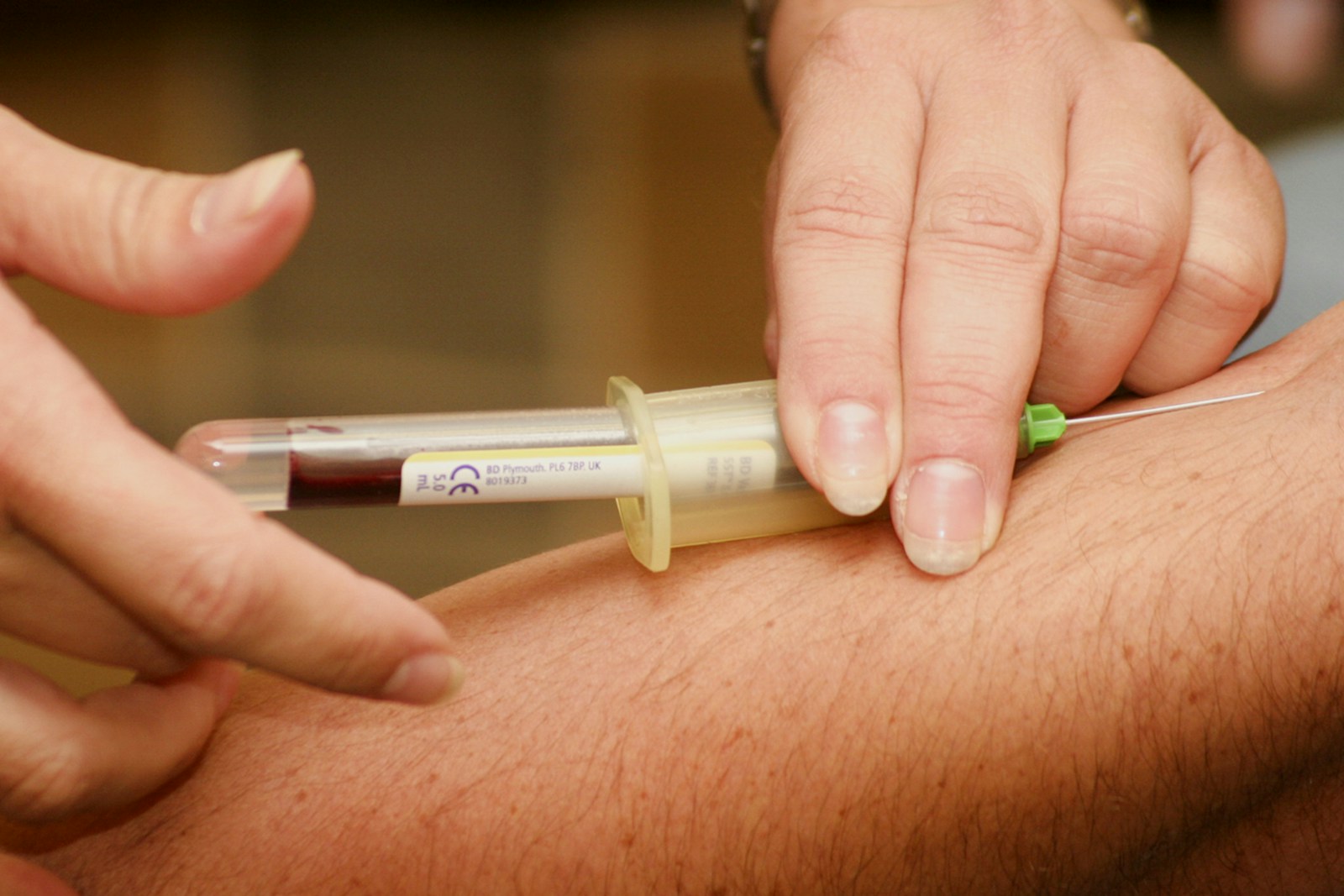
IGF-1 is the primary lab marker used to evaluate the GH axis. Sermorelin stimulates the pituitary to produce growth hormone. The liver converts that GH into IGF-1, which circulates in the blood and can be measured reliably with a standard fasting blood draw. Understanding what your IGF-1 result means, and what to do with it, is essential for getting clinical value from a sermorelin protocol.
- Side effects at standard doses are mild and typically injection-site reactions in the first 2 to 4 weeks
- Dose-related effects (water retention, joint stiffness) appear above 250 mcg and resolve with dose reduction
- Acromegaly is not a realistic risk: the somatostatin feedback axis self-limits GH output
- Absolute contraindications include active malignancy, diabetic retinopathy, and pregnancy
- Any provider that does not screen for contraindications at intake is not applying the clinical standard of care
What IGF-1 Measures and Why It Matters
IGF-1 reflects integrated GH output over the preceding days. A single GH measurement from a blood draw is nearly useless because GH is secreted in pulses that last minutes. IGF-1, with a half-life of 12 to 15 hours, averages out those pulses into a stable, measurable signal. This is why IGF-1, not GH itself, is the clinical standard for assessing the GH axis.
- IGF-1 half-life: 12 to 15 hours (stable, reliable measurement)
- GH half-life: 20 to 30 minutes (highly variable, not clinically useful for routine testing)
- IGF-1 is produced by the liver in response to GH stimulation
- Fasting is required for accurate results: draw in the morning before eating
Understanding Reference Ranges
IGF-1 reference ranges are age- and sex-adjusted. The same absolute number can be low-normal for one patient and optimal for another depending on their age and sex. Most labs report the reference range alongside the result, but the range is wide. Being within the reference range does not mean the GH axis is functioning optimally. Many patients who benefit from sermorelin therapy start in the lower third of their age-adjusted range, not below it. See our full breakdown of normal IGF-1 levels by age, including unit conversion and what a high result means, for the complete reference tables.
| Age range | Approximate IGF-1 range (ng/mL) | Notes |
|---|---|---|
| 25 to 34 | 175 to 310 | Upper third is optimal for this age group |
| 35 to 44 | 155 to 280 | Decline begins; low-normal warrants evaluation |
| 45 to 54 | 135 to 250 | Symptomatic decline common in this range |
| 55 to 64 | 115 to 220 | Below 150 often associated with clinical symptoms |
| 65 and older | 90 to 175 | Any value below 100 requires physician review |
Lab reference ranges vary by lab. Quest Diagnostics and LabCorp use different assay methods and report different ranges. Always compare your result against the reference range printed on your specific lab report, not against a generic table.
Once you have read "Understanding Reference Ranges", the next real step is a licensed evaluation, not another article. SystemLabs checks baseline IGF-1 levels before it prescribes, then formulates dose on clinical indication, at $179 a month.
What Low-Normal IGF-1 Actually Means
Low-normal means your result is within the reference range but in the bottom third for your age and sex. This is clinically relevant. Patients in the lower third of their age-adjusted range with symptomatic GH decline, including poor slow-wave sleep, increased visceral fat, low energy, and slow recovery, are the primary candidates for sermorelin therapy.
A value below the lower limit of the reference range indicates deficiency by the lab standard. This is a stronger clinical indication. Values well above the midpoint of the range suggest the GH axis is functioning adequately and sermorelin may produce limited additional benefit.
Using Your 90-Day Retest
The 90-day IGF-1 retest is the primary tool for assessing sermorelin dose response. A successful protocol raises IGF-1 from the lower third of the reference range toward the upper half. The target is not the top of the range: exceeding the age-adjusted upper limit suggests the dose is too high and should be reduced.
- Retest at the same lab, same time of day, and same fasting state as the baseline draw
- A rise of 40 to 80 ng/mL from baseline is a typical response at 100 to 200 mcg per day
- No rise after 90 days: dose may be too low, timing may be wrong, or pituitary reserve is insufficient
- A rise above the age-adjusted upper limit: reduce the dose and retest at 60 days
- Symptom improvement without a significant IGF-1 rise: measurement timing may be off
What to Do If Your IGF-1 Does Not Rise
A flat IGF-1 response after 90 days of sermorelin at 200 mcg or more has three likely explanations: inconsistent dosing, incorrect administration timing, or insufficient pituitary reserve. The first two are fixable. The third means the pituitary cannot produce meaningful GH in response to GHRH stimulation, which is an indication to discuss recombinant somatropin with a physician.
Before concluding non-response, confirm the injection is subcutaneous, the dose is administered within 30 minutes of bedtime, no food has been eaten for at least 2 hours before the injection, and the medication has been stored correctly (refrigerated after reconstitution, used within the expiry window).
Bottom Line
IGF-1 is a clinical tool, not a score to optimize in isolation. The goal is to move from the lower third of the age-adjusted range toward the upper half, confirm the change with a 90-day retest, and correlate that change with symptomatic improvement. A number that rises but produces no clinical benefit suggests the symptoms have another cause. A number that does not rise after a correct 90-day protocol suggests the pituitary cannot respond adequately to sermorelin.
A single IGF-1 number tells you little without a starting draw to compare it against. SystemLabs tests IGF-1 before prescribing and retests to confirm your response, so the result is measured rather than guessed.
Frequently Asked Questions
What IGF-1 level should I aim for on sermorelin?
The clinical goal is to move from the lower third of the age- and sex-adjusted reference range toward the upper half. A specific number is not meaningful without knowing the reference range for your age and sex. A level below 100 ng/mL in a 40-year-old is typically low. A level of 200 ng/mL in the same patient may be optimal. Ask your provider for the age-adjusted reference range your lab uses.
How long does it take IGF-1 to rise on sermorelin?
IGF-1 begins rising within the first 2 to 4 weeks of a correct bedtime protocol. The rate of increase slows as levels approach the therapeutic range. At 90 days, most patients with a correctly administered protocol see an increase of 40 to 80 ng/mL above baseline. Full therapeutic IGF-1 levels are typically reached between 60 and 90 days.
What should I do if my IGF-1 does not rise after 90 days?
The first step is to audit the protocol before concluding the compound is ineffective. Confirm injection timing (bedtime, within 30 minutes of sleep onset), fasting state (no food for 2 hours before injection), injection depth (subcutaneous), and storage (refrigerated, not frozen). If the protocol is correct and IGF-1 remains flat, the physician should consider increasing the dose by 50 mcg and retesting at 60 days. A persistently flat response at maximum dose suggests insufficient pituitary reserve.
Should I fast before my IGF-1 blood draw?
A fasting IGF-1 draw is not required the same way fasting glucose is, but consistent testing conditions produce more comparable results across draws. Testing in the same fasted state at each monitoring point reduces variability. If your baseline was drawn fasted, draw subsequent labs under the same fasted conditions so the comparison is valid.
How often should I test IGF-1 while on sermorelin?
Baseline before starting, then at 90 days for the first dose response assessment. If the dose is adjusted at 90 days, retest 60 days later. After stabilizing at the correct dose, the standard monitoring interval is every 6 months for the first year and annually thereafter for long-term protocols.
References
- Endocrine and metabolic effects of long-term administration of [Nle27]growth hormone-releasing hormone-(1-29)-NH2 in age-advanced men and women Journal of Clinical Endocrinology & Metabolism, 1997. PMID: 9141536. https://pubmed.ncbi.nlm.nih.gov/9141536/
- The role of insulin-like growth factor-I and its binding proteins in glucose homeostasis and type 2 diabetes Diabetes Metab Res Rev, 2009. PMC4153414. https://pmc.ncbi.nlm.nih.gov/articles/PMC4153414/
- IGF-1, LC/MS Test Summary (age-adjusted reference ranges) Quest Diagnostics Test Directory, 2026. https://testdirectory.questdiagnostics.com/test/test-guides/TS_IGF1_LCMS/igf-1-lcms
- Sermorelin: a better approach to management of adult-onset growth hormone insufficiency? Clinical Interventions in Aging, 2006. PMID: 18046908. https://pmc.ncbi.nlm.nih.gov/articles/PMC2699646/