Eating within 2 hours of a sermorelin injection can reduce its effectiveness significantly. Elevated insulin after a meal blunts the pituitary's response to GHRH stimulation.
A correct sermorelin dosing protocol requires more than the right dose. Timing, injection technique, reconstitution, storage, and the titration schedule all affect clinical outcomes. Patients who follow the protocol correctly consistently report better IGF-1 responses at 90 days than those who inject at inconsistent times or in the wrong fasting state.
- Estrogen enhances pituitary GH secretion but reduces hepatic IGF-1 output
- GH and estrogen decline produce overlapping symptoms; a full female hormone panel separates them
- Subclinical hypothyroidism is common in perimenopause and reduces IGF-1 response to sermorelin
- Women typically need slightly lower doses than men to reach the same IGF-1 response
- Combined sermorelin and bioidentical HRT is indicated when both IGF-1 and estrogen are confirmed low
Starting Dose
The standard starting dose for compounded sermorelin is 100 to 200 mcg subcutaneously once daily at bedtime. Most telehealth providers initiate at 100 to 150 mcg and titrate upward based on the 90-day IGF-1 result. Starting at the lower end reduces the likelihood of early dose-related side effects while establishing a baseline response.
| Phase | Dose range | Duration |
|---|---|---|
| Initiation | 100 to 150 mcg nightly | First 4 to 8 weeks |
| Standard protocol | 150 to 200 mcg nightly | Weeks 8 through 90-day retest |
| Dose adjustment up | 200 to 300 mcg nightly | If 90-day IGF-1 is in lower third of range |
| Dose adjustment down | Reduce by 50 mcg | If IGF-1 exceeds upper reference limit or side effects appear |
Why Bedtime Timing Matters
GH is secreted in pulses. The largest pulse of the day occurs during the first deep slow-wave sleep cycle, typically 60 to 90 minutes after falling asleep. Sermorelin administered at bedtime amplifies this natural pulse. Injecting in the morning or afternoon administers sermorelin during periods of low natural GH activity, reducing the magnitude of the pituitary response.
- Inject within 30 minutes of sleep onset whenever possible
- Do not inject during the day unless specifically instructed by your physician
- Consistency matters: irregular timing produces variable IGF-1 responses
- Missing a dose: do not double the next dose; resume the standard dose the following night
The detail in "Why Bedtime Timing Matters" only matters clinically once a prescriber applies it to your labs. SystemLabs is the provider we found doing that, at $179 a month, checking baseline IGF-1 levels before it prescribes, then formulates dose on clinical indication.
The Fasting Requirement
Insulin and GH are physiologic opposites in metabolic function. When insulin is elevated after a meal, the pituitary is less responsive to GHRH stimulation. The standard recommendation is to avoid eating for at least 2 hours before injection. For most patients, this means no eating after dinner and injecting at bedtime.
Finish dinner by 7 PM. Inject at 9 to 10 PM. The 2-hour post-absorptive window allows insulin to fall and restores pituitary sensitivity to the sermorelin stimulus.
Reconstitution and Storage
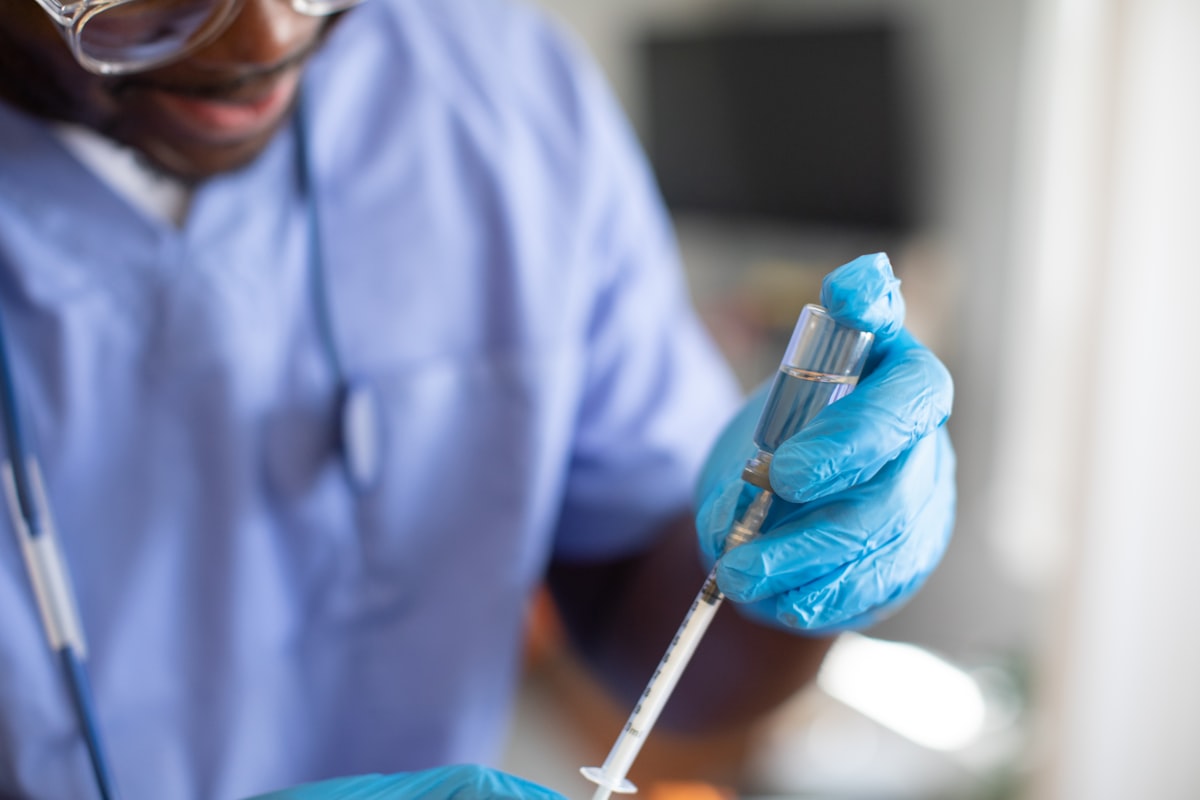
Compounded sermorelin is supplied as a lyophilized (freeze-dried) powder that must be reconstituted with bacteriostatic water before use. The reconstituted solution is stable for 20 to 30 days when refrigerated at 2 to 8 degrees Celsius. Do not freeze the reconstituted solution.
- Remove the plastic cap from both the sermorelin vial and the bacteriostatic water vial
- Wipe both rubber stoppers with an alcohol swab and allow to air dry for 10 seconds
- Draw the prescribed volume of bacteriostatic water into the syringe
- Insert the needle into the sermorelin vial and slowly inject the water down the side of the vial, not directly onto the powder
- Gently swirl (do not shake) until the powder dissolves completely
- Label the vial with the reconstitution date and store in the refrigerator
- Discard unused solution after 20 to 30 days per your pharmacy instructions
Injection Technique
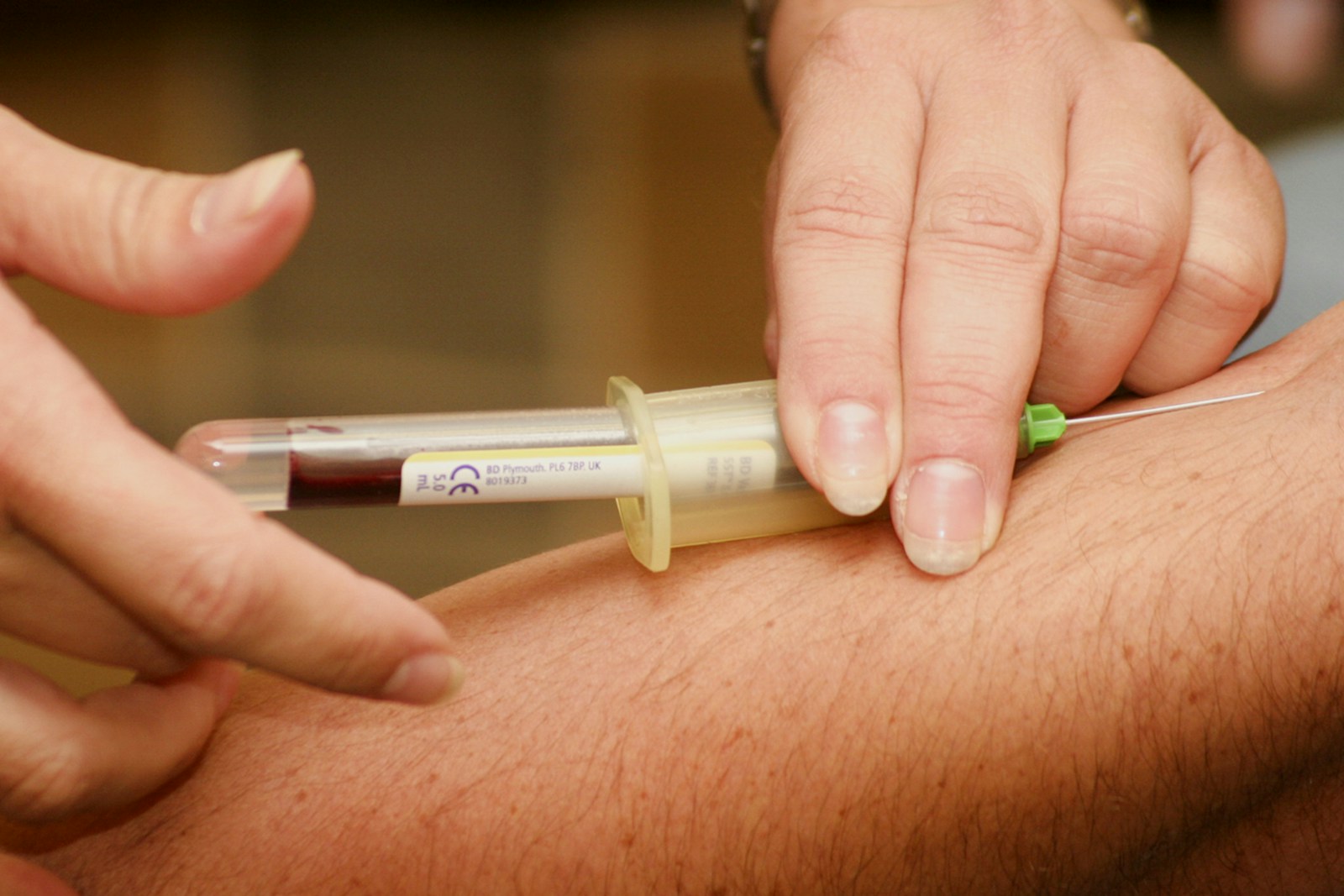
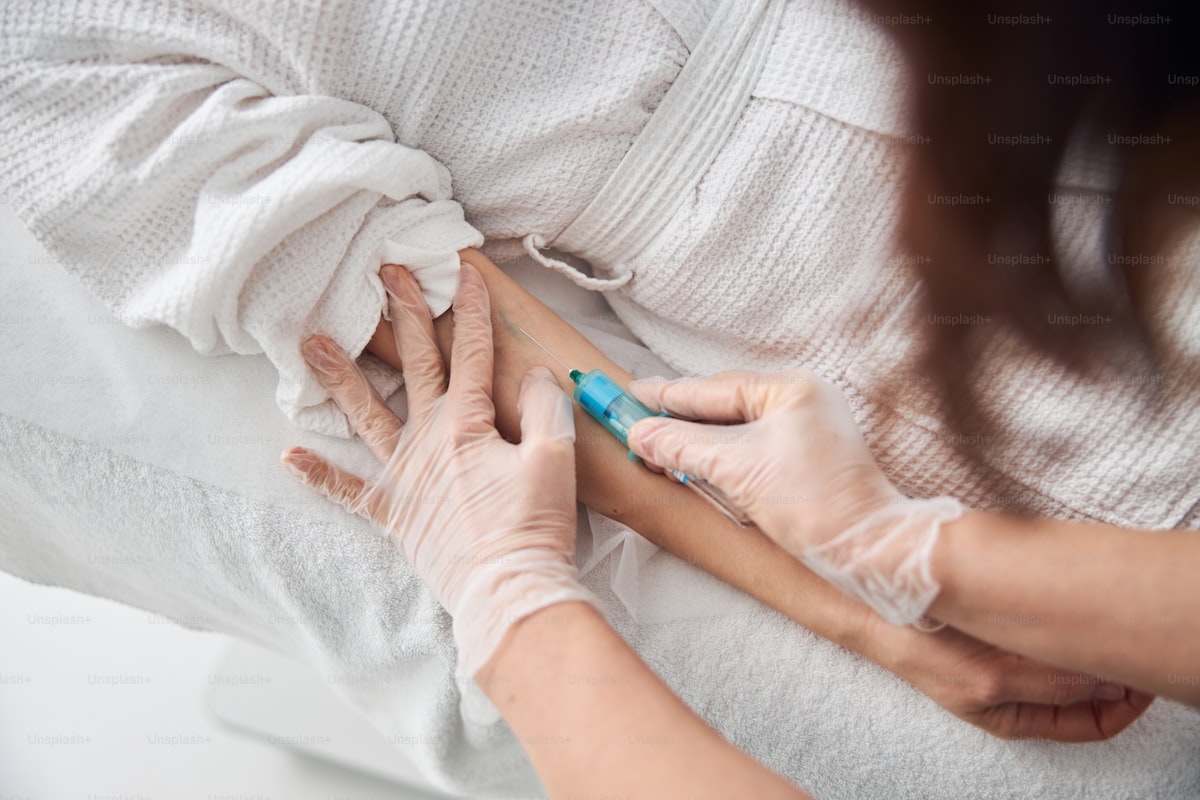
Sermorelin is injected subcutaneously, not intramuscularly. Subcutaneous means into the fat layer directly beneath the skin. Intramuscular injection delivers medication too deep, produces faster absorption than intended, and increases the risk of bruising and pain. Use a short, thin needle: 28 to 31 gauge, 4 to 8 mm length.
- Preferred sites: periumbilical abdomen (2 cm to either side of the navel) or lateral thigh
- Pinch the skin lightly, insert the needle at a 45-degree angle, inject slowly
- Rotate sites: do not inject into the same spot on consecutive days
- Do not rub the injection site after injecting. Rubbing increases local irritation
- Dispose of needles in a sharps container immediately after use
Titration Schedule
Dose adjustments are made in 50 mcg increments based on 90-day IGF-1 results and symptom response. Do not adjust the dose based on how you feel before the 90-day retest. Early symptom changes, particularly sleep improvement, occur before IGF-1 reaches the therapeutic range. The IGF-1 result at 90 days is the correct basis for a dose decision.
If the 90-day IGF-1 is in the lower third of the age-adjusted range and symptoms have not improved, increase by 50 mcg. If IGF-1 is in the upper half of the range and symptoms are improving, maintain the current dose. If IGF-1 exceeds the upper limit of the reference range, reduce by 50 mcg and retest at 60 days. See normal IGF-1 levels by age for the reference tables this decision is made against.
Bottom Line
The variables that most commonly reduce sermorelin efficacy are injecting at the wrong time, eating too close to the injection, using incorrect reconstitution or storage, and injecting intramuscularly rather than subcutaneously. Correcting these before concluding non-response is the right clinical step. Most apparent non-response in a telehealth sermorelin patient is a protocol adherence issue, not a pharmacologic failure.
The protocol in this guide assumes a starting IGF-1 and a 90-day retest to titrate against. SystemLabs tests IGF-1 before prescribing and formulates sermorelin on clinical indication, so the dose is built from your labs rather than a fixed chart.
Frequently Asked Questions
What happens if I miss a sermorelin injection?
Missing a single injection is not clinically significant. Sermorelin works through cumulative pituitary resensitization over months. Skipping one dose does not reset progress. Do not double-dose the following night. Simply resume the protocol at the regular schedule the next bedtime. Missing multiple injections per week consistently will reduce the IGF-1 response at 90 days and should be addressed with the prescribing physician.
Can sermorelin be injected twice a day?
Twice-daily dosing is not standard practice for sermorelin in a telehealth context. The clinical goal is to amplify the natural GH pulse during slow-wave sleep by delivering sermorelin at bedtime. A morning injection adds a daytime GH pulse blunted by morning insulin and does not produce the same clinical benefit. Twice-daily dosing is occasionally prescribed in supervised clinical settings but is not the protocol most telehealth patients follow.
Why does sermorelin need to be injected at bedtime?
The largest GH pulse of the day occurs in the 60 to 90 minutes after slow-wave sleep onset. Injecting sermorelin at bedtime aligns pituitary GHRH stimulation with this peak window, producing a significantly amplified GH response compared to daytime injection. Morning injection produces a GH response during a period of higher ambient insulin and misses the slow-wave sleep amplification. The IGF-1 difference between bedtime and morning injection is clinically meaningful.
How do I know if I have reconstituted sermorelin correctly?
A correctly reconstituted sermorelin solution is clear, colorless, and free of particles. If the solution appears cloudy, discolored, or contains visible particles after swirling, do not inject it. Discard the vial and contact the pharmacy. The process requires using bacteriostatic water, introducing the water slowly down the side of the vial rather than directly onto the powder, and gently swirling without shaking to avoid peptide degradation.
Can I freeze reconstituted sermorelin?
No. Reconstituted sermorelin must be refrigerated at 2 to 8 degrees Celsius and must not be frozen. Freezing damages the peptide structure. Unreconstituted lyophilized powder can be stored at room temperature for short periods but should be refrigerated until use. Once reconstituted, use within 20 to 30 days and store consistently cold.
References
- Geref (Sermorelin Acetate) Prescribing Information RxList (Geref FDA Label), 2008. NDA 19-863. https://www.rxlist.com/sermorelin-acetate-drug.htm
- Adaptation of the 24-h growth hormone profile to a state of sleep debt American Journal of Physiology, 2000. https://journals.physiology.org/doi/full/10.1152/ajpregu.2000.279.3.R874
- Endocrine and metabolic effects of long-term administration of GHRH-(1-29)-NH2 in age-advanced men and women Journal of Clinical Endocrinology & Metabolism, 1997. PMID: 9141536. https://pubmed.ncbi.nlm.nih.gov/9141536/
- Recommended needle size for subcutaneous injection in adults (4-6mm) Journal of Pharmacy Technology, 2015. PMC4647175. https://pmc.ncbi.nlm.nih.gov/articles/PMC4647175/